


Nowadays, choosing the right backdrop for a photo is a crucial factor in ensuring a high-quality, accurate, and aesthetically pleasing image. So, What is a photo backdrop? And how do you choose the most suitable background? Let's find out with EMOII AGENCY in the following article!
What is a photo backdrop?
A photographic background is a surface placed behind the subject in a photograph, helping to create a suitable setting, highlight the subject, and minimize distractions. Backgrounds can be plain walls, fabric, paper, or natural scenery, depending on the purpose of the photograph.
Using the right background not only makes a photo look more professional but also contributes to conveying the message, emotion, and style of the image. In professional photography, the background plays a crucial role in shaping the space and controlling light and color to achieve the best effect.
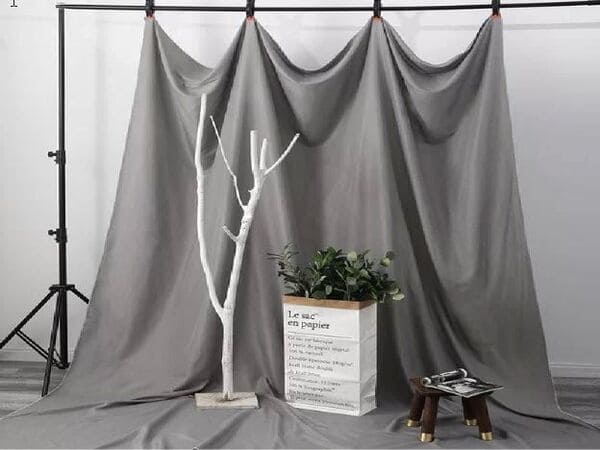
Why should you use a backdrop for professional photography?
Highlight the subject
One of the most important purposes of a background is to help the viewer focus on the main subject. Without a suitable background, the frame can become cluttered with unwanted elements appearing in the background.
For example, a portrait photograph with a black and white or white background will help the face appear sharper, without being affected by unnecessary details.
Create uniformity
In photography, especially product photography, a background helps ensure consistency between images. When photographing products for online sales, without a suitable background, the images will lack uniformity and may diminish the brand's professionalism. White or neutral-colored backgrounds are often used to make the product stand out and be easily visible.
Light control
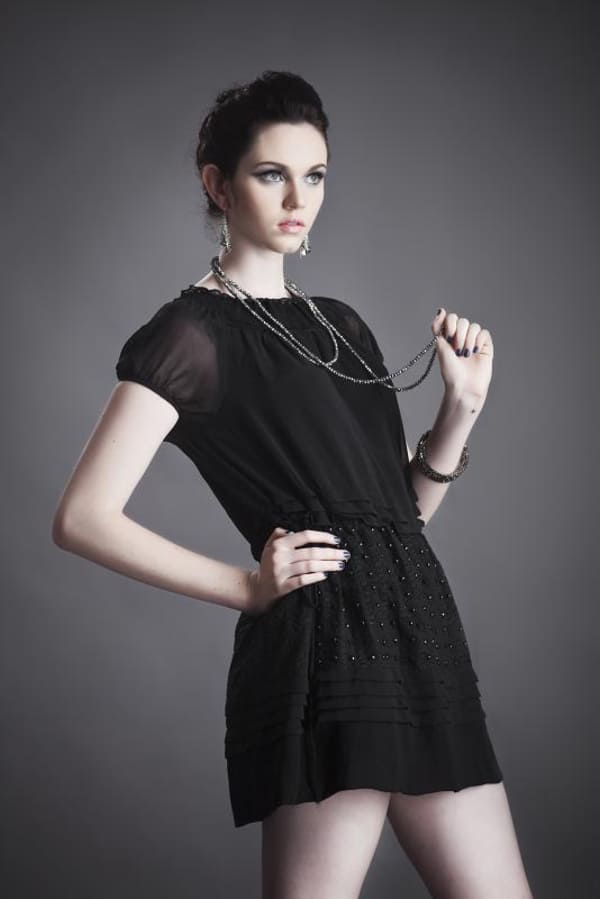
Backgrounds help control how light reflects and affects the photograph. Dark backgrounds, such as black or gray, can absorb light, creating a powerful, mysterious feel. Conversely, white or light backgrounds reflect light, creating a bright and delicate feel. This is crucial when shooting portraits, product photos, or artistic photographs.
Style shaping
The background is not just an auxiliary element; it can also directly influence the viewer's emotions. For example:
- Monochromatic background: Offers a minimalist, modern, and elegant aesthetic.
- Patterned background: To create something innovative and unconventional, often used in fashion photography or art.
- Natural backgroundThis helps make the photos more realistic, intimate, and vibrant, suitable for outdoor photography or product photography in nature.
Post-production support
When shooting against a monochrome background, especially a green or white background, post-processing becomes easier. Software like Photoshop can quickly separate the background to integrate it with other scenes or make adjustments as needed without affecting the main subject. This is particularly useful in advertising photography, e-commerce, or video production.
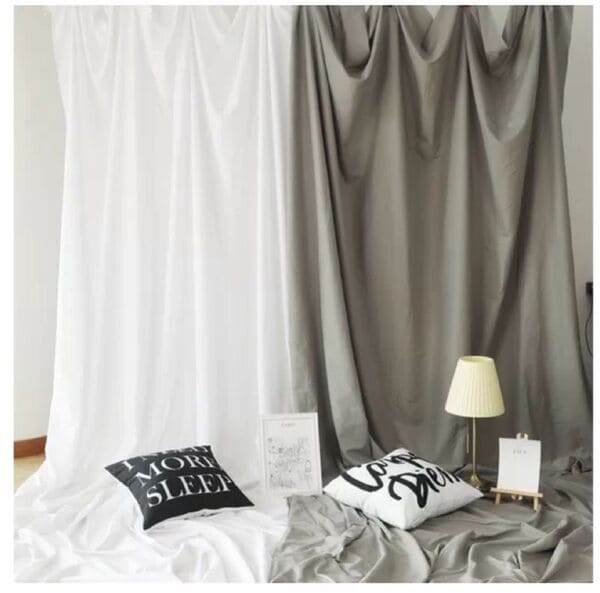
Ways to choose beautiful backdrops for photos.
Currently, there are many types of photo backdrops available in a variety of materials, colors, and styles. To choose the right backdrop, you need to clearly define the purpose of the photoshoot, the main subject, and the desired style.
Choose the right colors.
The color of the background directly affects the visual perception and aesthetics of the photograph. If you want the subject to stand out, choose a background color with subtle but not overly harsh contrast to avoid disrupting the balance. Additionally, the background color should harmonize with the subject's clothing and accessories. For product photography, a white or black background is often the best choice, making the product appear sharper and more professional.
Choose background size
Depending on the shooting space and the number of subjects, you need to choose a backdrop of appropriate size. For individual or portrait shots, a backdrop with a width of 1.5m – 2m is sufficient. For group or full-body shots, you should use a backdrop that is 2.5m or wider to ensure enough space and avoid a cramped feeling.

Ensure contrast
The contrast between the background and the subject adds depth to the photograph and highlights the main subject. If the clothing is light-colored, a dark background will help create a focal point. Conversely, if the clothing is dark, a light background will prevent the subject from being overshadowed. In artistic photography, you can use backgrounds with gradient or color-blend effects to add uniqueness.
Choose the backdrop material.
There are many different types of backdrop materials, each with its own advantages and disadvantages. Fabric backdrops are soft and reusable but wrinkle easily and need to be ironed flat before shooting. Paper backdrops have a smooth surface and accurate colors but are easily torn if not handled carefully. PVC backdrops are waterproof, easy to clean, and suitable for product photography. If you want to create depth in your photos, you can choose canvas or velvet backdrops, often used in art photography.
Some common types of backdrops used in model photography.
When photographing models, choosing the right backdrop plays a crucial role in creating professional and impressive images. Below are some common types of backdrops used in fashion and portrait photography.
Solid Color Background
Monochromatic backgrounds are the most common type in model photography, helping to create a complete focus on the subject.
- WhiteCreates a sophisticated, minimalist feel, suitable for portraits, fashion, and commercial photography.
- Black: Increases contrast, creates an elegant and mysterious look, suitable for artistic photography.
- Grey: A neutral choice, neither too bright nor too dark, helps the subject blend in with the background without being lost in the background.
- Bright colors (red, blue, yellow, etc.)Used to create a strong focal point, suitable for a distinctive fashion style or advertising photos.
Gradient Background
Gradient backgrounds create a fading effect from one color to another, adding depth and softness to the photograph. This type of background is often used in artistic photography or modern fashion photography. Some popular color combinations include:
- Black to gray, white to blue.
- Purple to pink, orange to yellow.
Fabric Background
Fabric backdrops offer a softer and more natural sense of depth compared to paper or monochrome backdrops.
- Velvet fabricCreates special lighting effects, bringing elegance and artistry.
- Canvas fabricIt has a slightly rough surface, suitable for classic portrait photography.
- Muslin fabricLightweight, easy to move, and can create wrinkled or layered effects to add depth to the photograph.

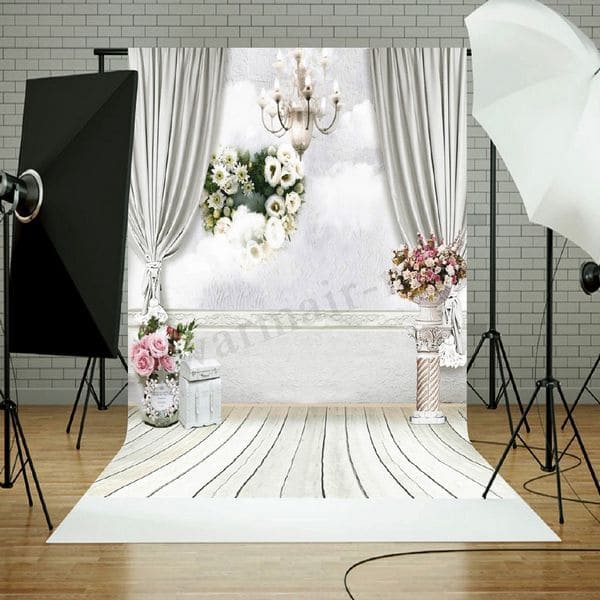
Patterned or 3D printed backdrops
Patterned backgrounds help create a unique style and are suitable for special concepts.
- Stone and wood grain patternsCreates a luxurious, classic feel.
- Landscape printIt creates a realistic effect, giving the photo a natural setting without needing to be shot outdoors.
- Graffiti or digital art backdropSuitable for edgy, street-style photography.
Natural Background
Besides artificial backdrops, many photographers also utilize natural backdrops to create a realistic and vibrant effect:
- Old brick or concrete wallCreates a vintage, unique feel.
- Natural scenery (forests, sea, meadows, etc.)Suitable for outdoor photography, offering a sense of freedom and freshness.
- Modern windows or buildingsCreate an urban fashion style, suitable for street style photos.

Through the above information, hopefully you have gained a better understanding of what a photo backdrop is and how to choose the right backdrop for each need. Using the right backdrop not only makes the photo look more professional but also helps convey the desired message and style.
[block id=”contact-section-for-blog-post”]