


Walking the catwalk isn't just about strolling; it's an art form that showcases confidence and personal style. To become a professional model, you need to master these skills. catwalk rules, From posture and gait to striking poses that are impressive and captivating, let's explore the basic secrets and techniques to confidently shine on the catwalk.
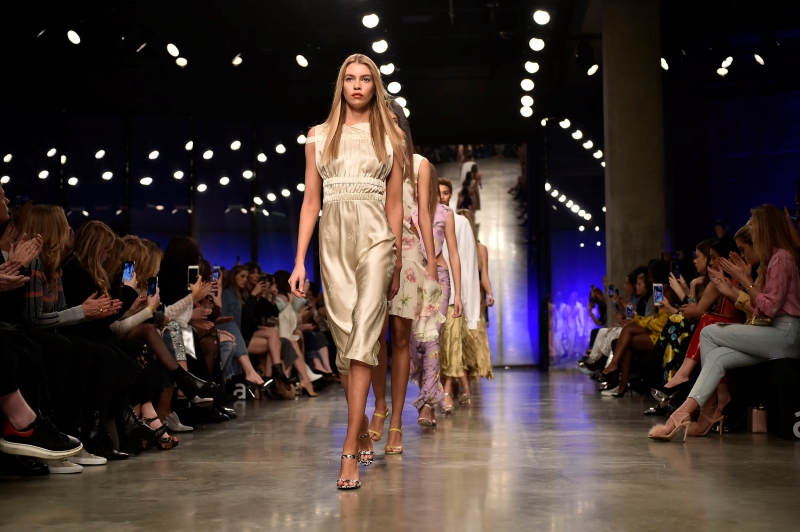
What does "catwalk" mean?
In the context of fashion, a catwalk is a term used to refer to a fashion show – where models present a designer's clothing and accessory collections to an audience. Catwalks are typically long and narrow, primarily intended to provide space for models to move and showcase the garments clearly and visually.
The catwalk is a central element in fashion shows. It's where designers convey their creative ideas to the public, the press, and fashion enthusiasts. It's not just a place to showcase clothing, but also a part of visual art, combining music, lighting, and effects to create a unique experience.
Characteristics of the catwalk
- Shape and design: Typically a long walkway, sometimes combined with extended stage sections or a T-shape to optimize audience visibility.
- Material: Made from wood, metal, or glass, the surface is flat and sturdy to ensure the model's safety.
- Decorate: Decorations can be customized to the theme of the show, such as flowers, LED lights, or elements characteristic of the collection.
According to catwalk rules, models not only have the task of showcasing clothes but also must express the spirit and ideas of the collection through their walk, facial expressions, and demeanor. The way of walking on the catwalk – often called a "catwalk walk" – has become a unique symbol in the fashion industry.
Beyond high fashion, the term "catwalk" is also used to refer to runways in other fields such as product promotions, beauty pageants, and sometimes as a metaphor for confidence and poise while walking.
The "gold standard" rules of catwalk style.
Walking the catwalk is not just about taking simple steps; it's an art form. It's where models express their demeanor, emotions, and convey the designer's vision. To achieve professionalism, models need to adhere to important catwalk rules that help them stand out and command the stage.
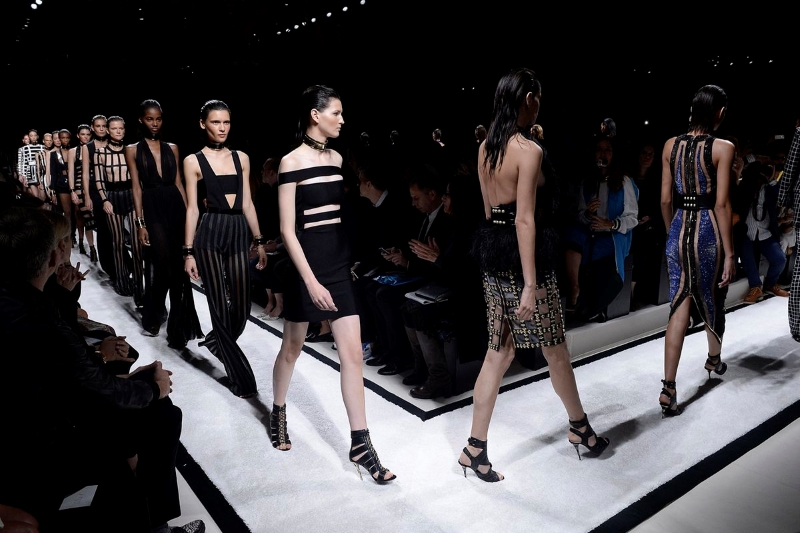
How women walk the catwalk
Perfect posture
- Shoulders and hips: When walking, your shoulders should be kept straight, not turned sideways or tilted. Your hips should be slightly raised to create a natural forward lean. This posture not only helps you maintain balance but also creates the necessary grace for each step.
- Back straight: Good posture starts with your back. Practice by sitting upright on a yoga ball or walking with a book on your head each day. This will not only improve your gait but also help you maintain a graceful posture.
- Slight chin lift: Keep your head straight, raising your chin just enough to convey a sense of poise. Avoid bowing your head or hunching your neck; this will detract from your confidence and professionalism.
The correct move
- Standard stride length: Your strides should be longer than your usual walking stride, but not so long as to avoid losing balance. When lifting your leg, your knee should bend slightly, then lower it gently and naturally.
- Follow the straight line: Imagine a straight line across the runway, and place your feet along that line to create a sense of elegance, while also giving your walk a graceful and professional look.
- A steady rhythm: Maintain a pace that matches the music of the performance. If there is no music, imagine your own pace to maintain rhythm.
Arm
- Relax naturally: The arms should move gently, swaying with each step without being too stiff or boisterous. Avoid excessive arm movements that distract the audience and ensure adherence to catwalk etiquette.
- Matching outfits: If you're wearing a long dress or accessories, coordinate your hand movements harmoniously, such as gently lifting the dress, putting your hands in your pockets, or holding a handkerchief. Your fingers should also be soft and relaxed, not stiff or fidgety.
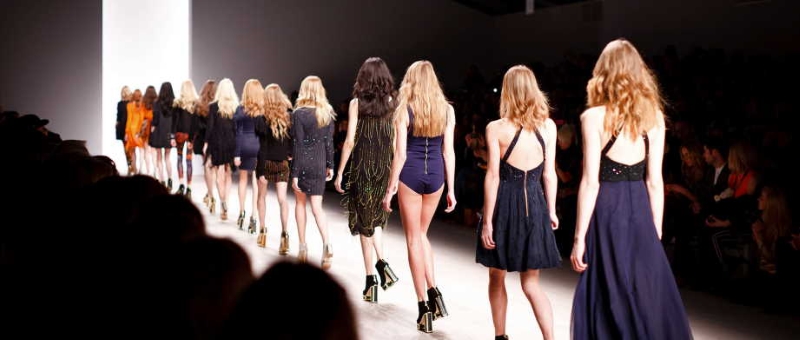
Demeanor and gaze
- A cold demeanor: On the catwalk, presence is your "weapon." Maintain a confident expression, sharp and cool gaze. This helps you convey the spirit of the collection and leave a strong impression on the audience.
- Eyes that are expressive: The eyes should be focused straight ahead, not looking down or glancing to the sides. However, avoid staring at anyone; instead, adjust your gaze to match the idea and emotion the designer wants to convey.
Pose at the stop.
- Choose a suitable stopping location: At the end of the runway or at key points along the path, choose a stopping point that complements the rhythm of the music and the design of the outfit. Your posture should ensure your shoulders, hips, and legs are in a straight line to create balance and highlight your figure.
- Professional spin: When turning to move in the opposite direction, turn your feet and hips first, keeping your face turned towards the audience or camera until the turn is complete. This helps you maintain a natural movement and avoid interrupting the performance.
Music and rhythm
- In tune with the rhythm: Music not only helps you maintain your rhythm but also enhances the emotion of your performance. Let the rhythm guide your stride, creating perfect harmony between your steps and the music.
- Create your own rhythm if needed: In the absence of music, maintain a steady pace, avoiding walking too fast or too slow so as not to disrupt the flow of the performance.
Practice consistently.
To walk confidently on the catwalk, you need serious and persistent training. Each step requires precision and harmonious coordination of posture, demeanor, and movement. By simply following these catwalk rules, you will be able to master the stage and shine impressively.
How men walk the catwalk
Male models on the catwalk project a strong, confident, and captivating style. Unlike female models, the catwalk rules for male models emphasize elegance, strength, and a minimalist yet impressive style. To achieve the right catwalk style, male models need to pay attention to the following factors:
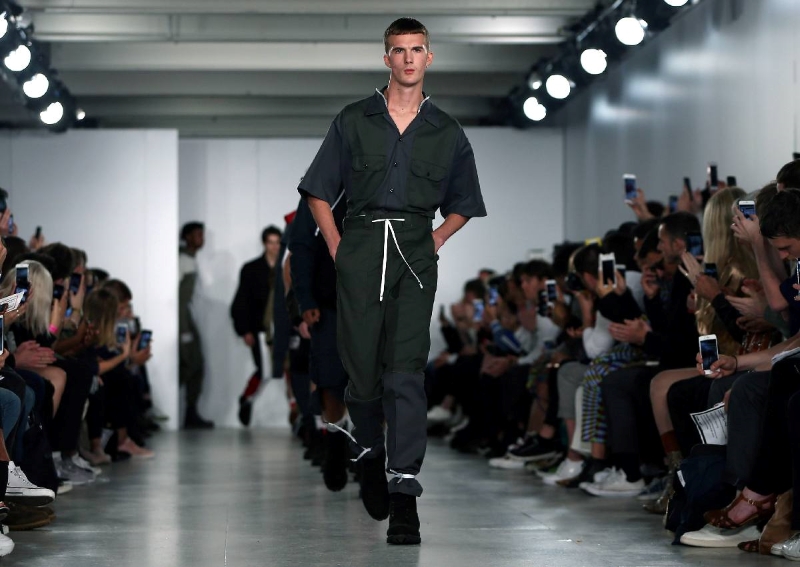
Proper posture – The foundation of masculinity
- Broad and straight shoulders: Men should keep their shoulders straight, creating a strong impression. They should avoid shrugging their shoulders or swaying their upper body excessively.
- Back straight: Maintain a natural, upright posture, avoiding a hunched back or hunched shoulders. Practice balancing on stage by standing straight with your spine forming a vertical line.
- Horizontal chin: The chin should be kept level, neither raised too high nor lowered, creating an image of confidence and pride.
Walk with a decisive and confident stride.
- Steady stride: According to catwalk etiquette, men's strides are usually longer than women's, but they shouldn't be too wide. The steps should be decisive, strong, and even.
- Follow the straight line: When walking, imagine there's a straight line in front of you and place your feet along that line. This helps create stability with each stride.
- Slow, deliberate steps: The male model's demeanor doesn't need to be rushed. Maintain a slow, steady pace, enough to convey confidence and composure.
The arms are well-proportioned and relaxed.
- Natural movement: Keep your arms relaxed at your sides, moving gently in rhythm with your steps. Avoid tensing your arms or swinging them excessively.
- Interacting with clothing: If wearing a jacket, you can keep one hand in your pocket or gently hold down the jacket to enhance your masculine and elegant look.
facial expression
- A cold expression: The face should maintain a sharp, cool expression, but without lacking emotion. The gaze should be focused straight ahead, avoiding looking down at the ground or the audience too much.
- Eyes that have soul: The eyes should create a connection with the viewer, conveying confidence, strength, and a touch of mystery.
- A firm chin: Keep your chin steady, projecting a dignified and composed demeanor.
Mastering the rules of catwalk walking is key to confidence and showcasing your unique style on the runway. Whether you're a beginner or an experienced walker, regular practice and attention to detail will help you perfect your skills and shine with every step. Remember, each step is not just about technique, but also about expressing your personality, helping you leave a lasting impression on the audience.
[block id=”contact-section-for-blog-post”]